How AI Is Transforming Modern Business in 2026

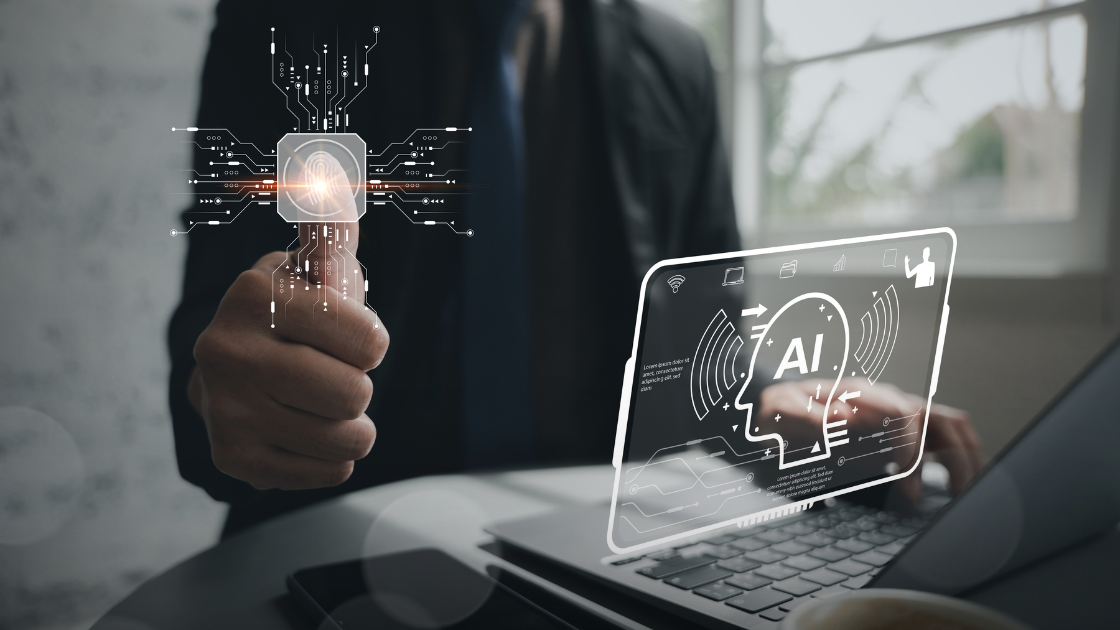
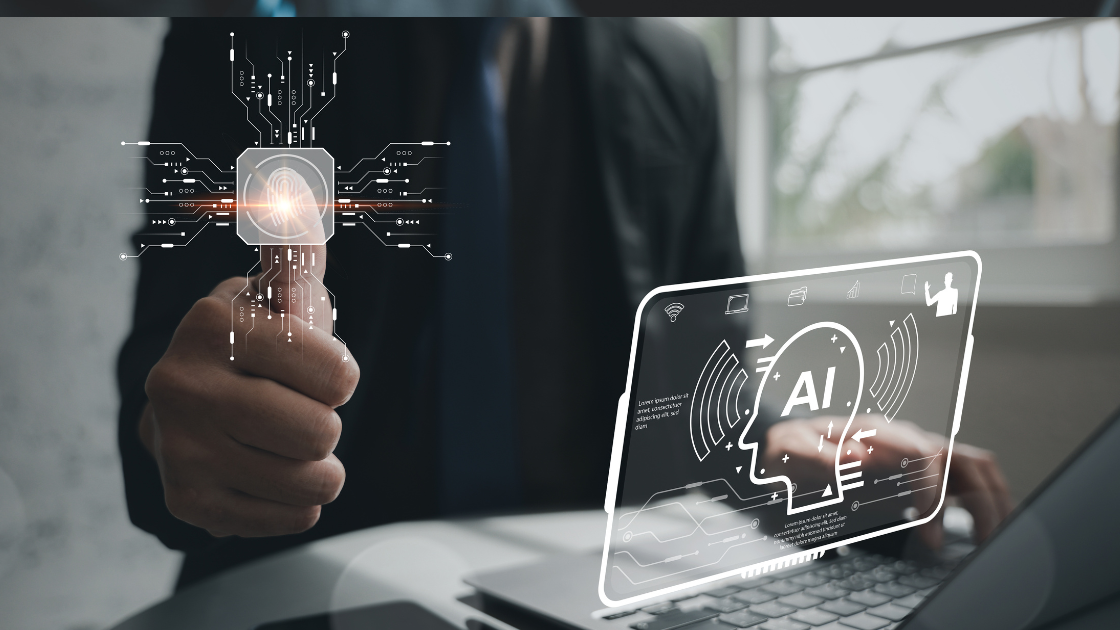
Artificial Intelligence (AI) is no longer a futuristic concept—it has become an essential part of modern business operations. In 2026, organizations of all sizes are using AI to improve efficiency, enhance customer experiences, streamline workflows, and make smarter decisions. From startups to multinational corporations, AI is helping businesses stay competitive in an increasingly digital world. As technology continues to evolve, understanding how AI is transforming business has become essential for every entrepreneur and business leader.
Smarter Decision-Making Through Data
One of AI’s greatest strengths is its ability to analyze massive amounts of data in seconds. Businesses generate valuable information every day through customer interactions, sales reports, website traffic, and social media activity. AI-powered analytics tools process this data to uncover trends, predict customer behavior, and identify new business opportunities.
Instead of relying solely on intuition, business leaders can make informed decisions backed by real-time insights. Predictive analytics also helps companies forecast demand, manage inventory, and reduce operational risks.
Improving Customer Experience
Customer expectations have never been higher, and AI is helping businesses meet those expectations with personalized experiences. AI-powered chatbots and virtual assistants provide instant support, answer common questions, and resolve customer issues around the clock.
Recommendation engines analyze customer preferences and browsing behavior to suggest relevant products and services. Personalized marketing campaigns, targeted email promotions, and customized shopping experiences improve customer satisfaction while increasing conversion rates and loyalty.
Automating Repetitive Tasks
Automation has become one of the most valuable applications of AI in business. Routine tasks such as scheduling appointments, processing invoices, managing emails, generating reports, and organizing documents can now be handled automatically.
This allows employees to spend more time on creative problem-solving, strategic planning, and customer engagement. Increased productivity not only reduces operational costs but also improves overall workplace efficiency.
Revolutionizing Marketing Strategies
AI has transformed digital marketing by making campaigns more targeted and data-driven. Marketing teams use AI to analyze customer behavior, optimize advertising budgets, create personalized content, and improve search engine optimization (SEO).
AI tools also assist in content creation by generating blog outlines, social media captions, product descriptions, and email drafts. While human creativity remains essential, AI accelerates the content development process and helps marketers maintain consistency across multiple platforms.
Enhancing Financial Management
Financial departments are increasingly using AI to improve accuracy and reduce manual work. AI-powered software can monitor expenses, detect unusual transactions, forecast cash flow, and generate financial reports with greater speed and precision.
Fraud detection systems use machine learning to identify suspicious activities in real time, helping businesses reduce financial risks and strengthen security.
Supporting Human Resources
Recruitment and employee management have also benefited from AI advancements. HR teams use AI to screen resumes, identify qualified candidates, schedule interviews, and analyze workforce trends.
AI-driven learning platforms recommend personalized training programs, helping employees develop new skills and adapt to changing business needs. These technologies improve hiring efficiency while supporting long-term employee growth and retention.
Strengthening Cybersecurity
As cyber threats become more sophisticated, AI plays an increasingly important role in protecting business data. AI-powered security systems continuously monitor networks, detect unusual behavior, and respond to potential threats before they cause significant damage.
By identifying vulnerabilities early, businesses can strengthen their cybersecurity strategies and safeguard sensitive customer and company information.
Challenges and Responsible AI Adoption
While AI offers numerous benefits, businesses must also address important challenges. Data privacy, transparency, algorithmic bias, and ethical decision-making require careful consideration. Companies should establish clear AI governance policies, ensure compliance with relevant regulations, and maintain human oversight for critical decisions.
Successful AI adoption is not about replacing employees but empowering them with tools that improve productivity and support better outcomes.
Conclusion
In 2026, Artificial Intelligence is reshaping every aspect of modern business—from customer service and marketing to finance, cybersecurity, and workforce management. Organizations that embrace AI thoughtfully can improve efficiency, deliver better customer experiences, and make more informed decisions in an increasingly competitive marketplace.
As AI technology continues to advance, businesses that combine innovation with responsible implementation will be best positioned for sustainable growth. Rather than viewing AI as a replacement for human expertise, successful organizations will use it as a powerful partner to drive creativity, productivity, and long-term success.
About The Hayats